Functional Projects
- Replacement parts
- Fixtures & jigs
- Organizers
- Brackets & holders
- Custom enclosures
- Shop solutions
 Get a Quote →
3D Printing
We 3D print prototypes, replacement parts, fixtures, enclosures, organizers, display pieces, and short runs when an off-the-shelf solution is not quite right.
A 3D printing project does not have to begin with a perfect model. A print-ready file is helpful, but dimensions, sketches, photos, or an existing part can also give us a place to start.
We look at geometry, fit, intended use, and finish expectations before deciding how the part should be produced.
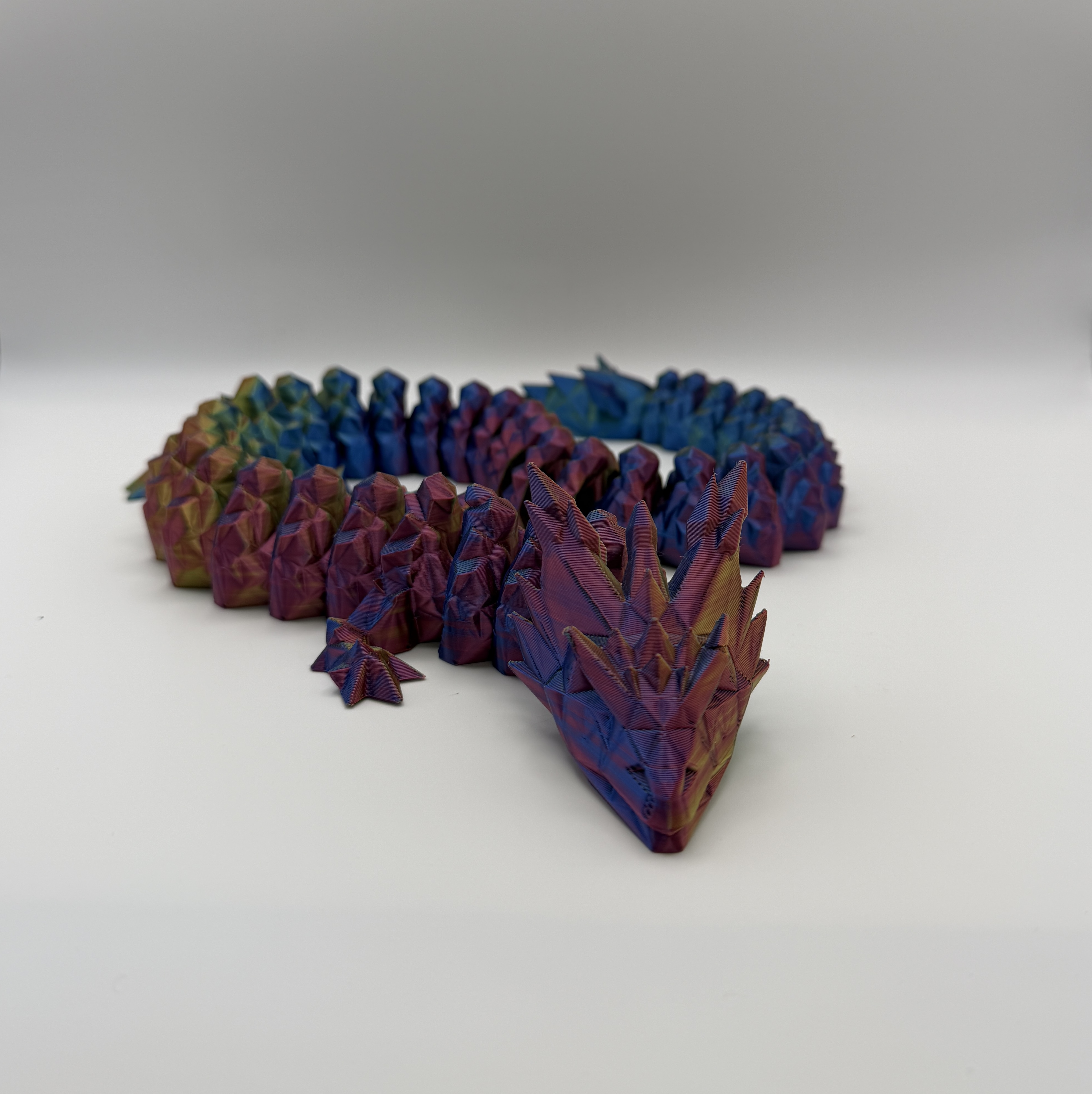
It works especially well for prototypes, practical shop solutions, replacement pieces, custom housings, and low-volume parts that do not justify traditional manufacturing.
Turn a digital concept into something physical that can be handled, checked, revised, and demonstrated.
Recreate or redesign practical pieces when a replacement is unavailable or needs to work differently.
Purpose-built holders, organizers, guides, and shop solutions designed around your workflow.
Custom housings built around dimensions, access points, clearances, and the needs of the project.
Visual models, presentation pieces, stands, and custom objects where form matters.
Repeat small-volume parts when full-scale manufacturing would not make sense for the project.
Send the file, dimensions, photos, reference part, or a description of what the finished piece needs to do.
We look at geometry, dimensions, use case, printability, and any areas that may need adjustment.
For fit-sensitive or developing designs, an initial print can help validate the direction before repeats.
Parts are produced to the agreed scope, with revisions handled when the project calls for iteration.
Not always. A print-ready model is the fastest starting point, but dimensions, sketches, photos, or an existing part can also help define the project.
Yes, when the part is appropriate for 3D printing and the required geometry and dimensions can be established.
Yes. Small repeat runs can be a good fit once the design and production approach are established.
The right choice depends on how the part will be used, its environment, strength needs, finish expectations, and design. We’ll discuss those requirements before production.
Send the file, measurements, photos, or a description of what you need the part to do, and we’ll help define the next step.